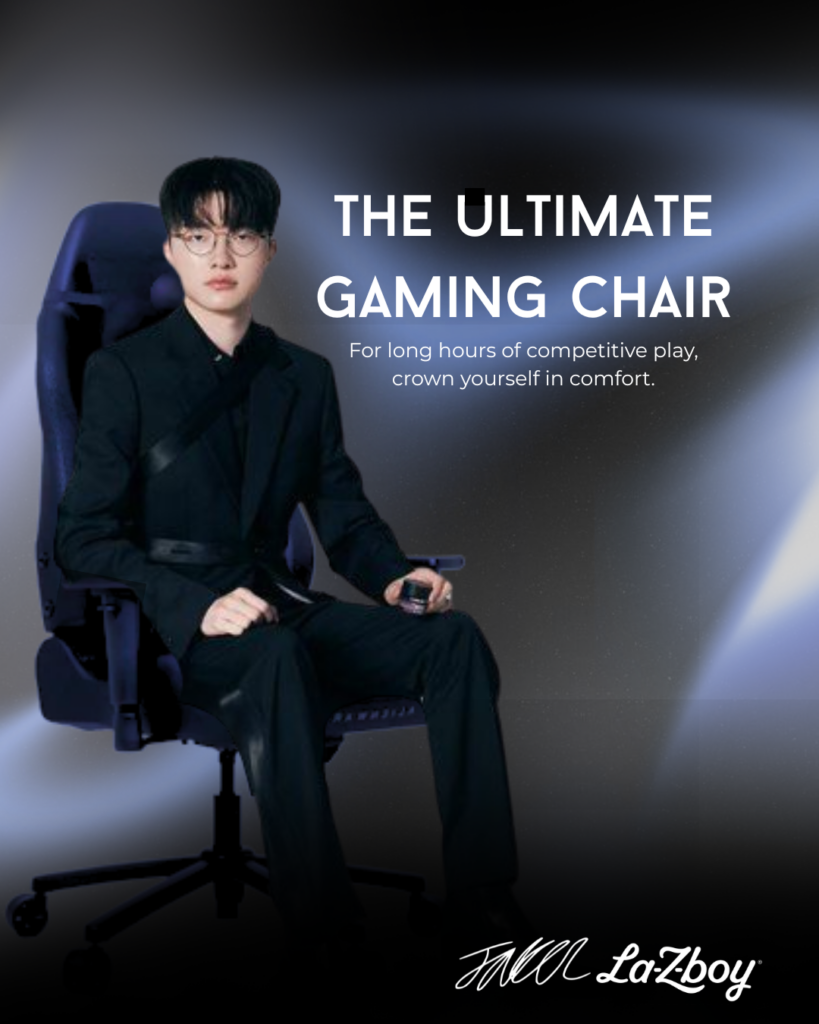
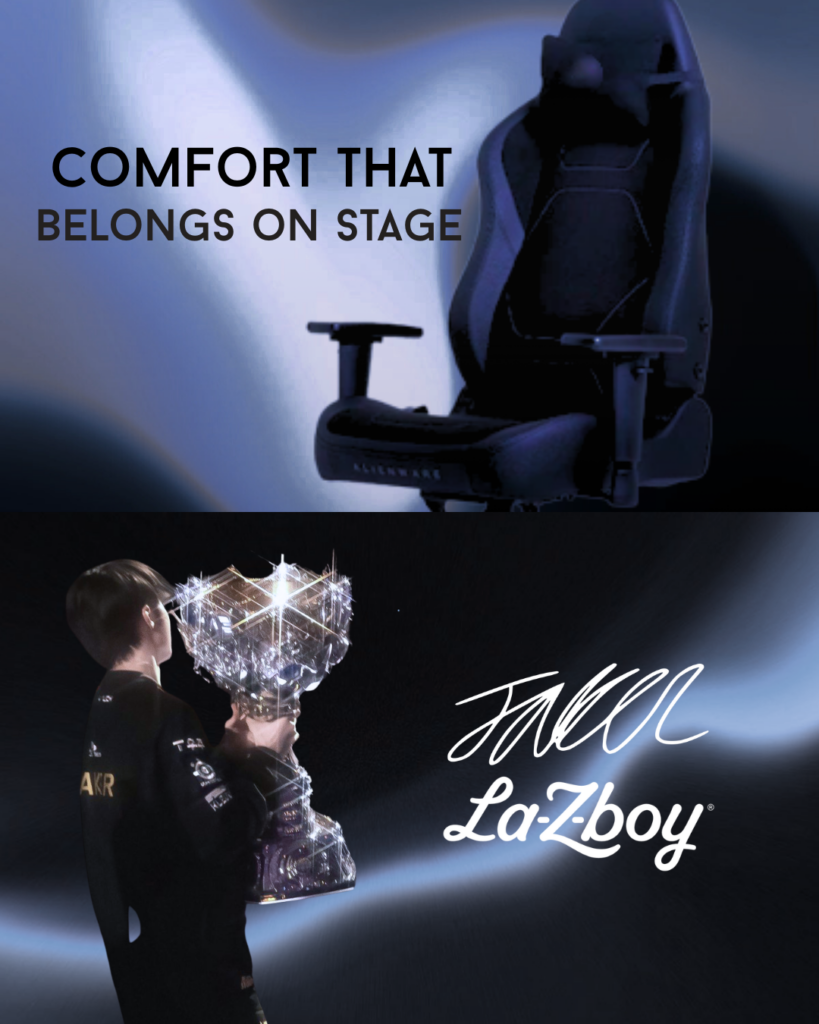
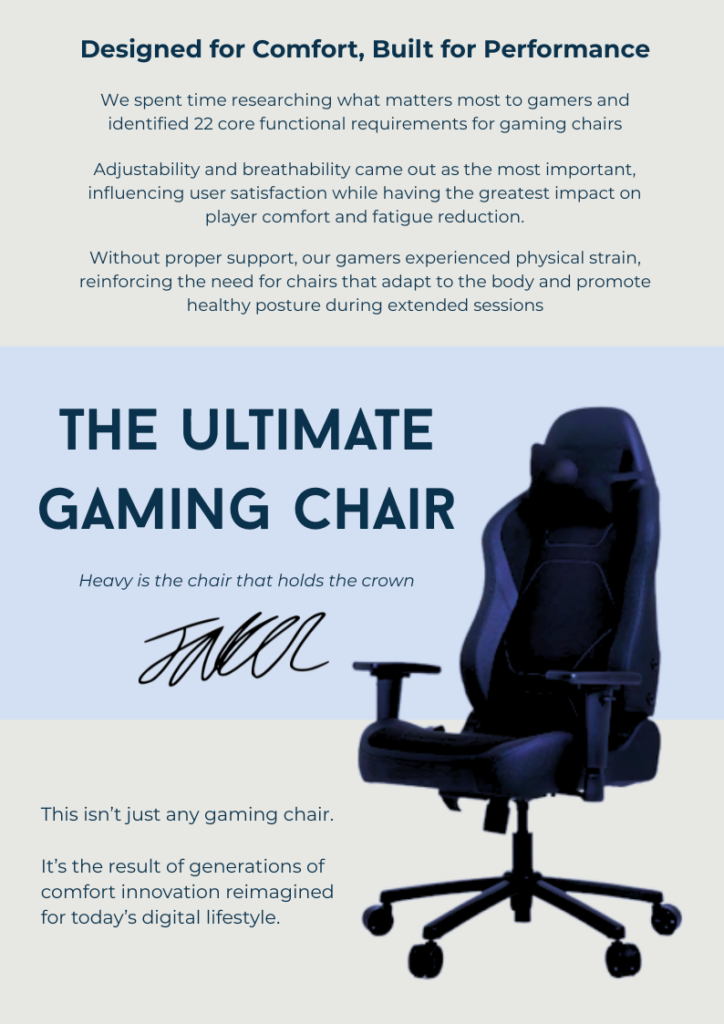
La-Z-Boy & @Faker present the Ultimate Gaming Chair. Launching this National Video Games Day on September 12th.
The “Unkillable DemonKing” needs some comfort once in a while. Join the moment by visiting the link in bio.
Performance and comfort go hand in hand for 6x League of Legends world champion @Faker.
Performance play values comfort on stage. Join the moment this National Video Games with La-Z-Boy on September 12th.
THE MOST COMMON ESPORT INJURIES
And HOW YOU CAN PREVENT THEM
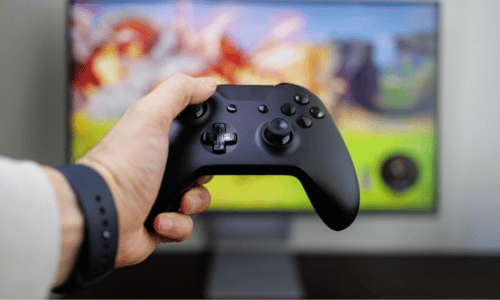
Competitive gaming is not passive. It is repetitive, demanding, and often prolonged far beyond what the body was meant to tolerate. Fast reflexes, quick decisions, and hours spent behind a screen have a physical cost when sustained over time. Players train for hours each day, creating a cycle where rest becomes secondary to improvement. Over time, that repetition begins to surface as injury. Here is a list of the top three esports-related injuries and how casual players can prevent them.
Carpal Tunnel Syndrome
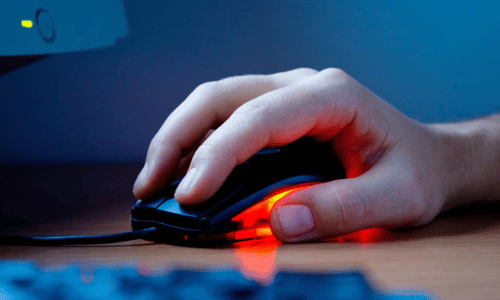
Over time, repeated motion and sustained pressure from constant clicking, rapid keystrokes, or prolonged controller use can strain the median nerve as it passes through the wrist. The result is numbness, tingling, weakness, or pain in the hand and fingers. Prevention is less about intensity and more about consistency. Maintaining neutral wrist posture, taking regular breaks, adjusting desk and chair height, and incorporating simple stretches can reduce pressure on the nerve.
Gamers Thumb/ Trigger Finger
Develops through tense gripping and rapid button pressing, especially with controllers or mobile devices, causing the tendons in the thumb or fingers to become inflamed. What begins as slight discomfort can turn into finger stiffness, pain, or even being locked in place. Loosening grip pressure, switching hand positions, and stretching the fingers and thumbs can prevent and reduce strain.
Neck, Back, and Shoulder Pain
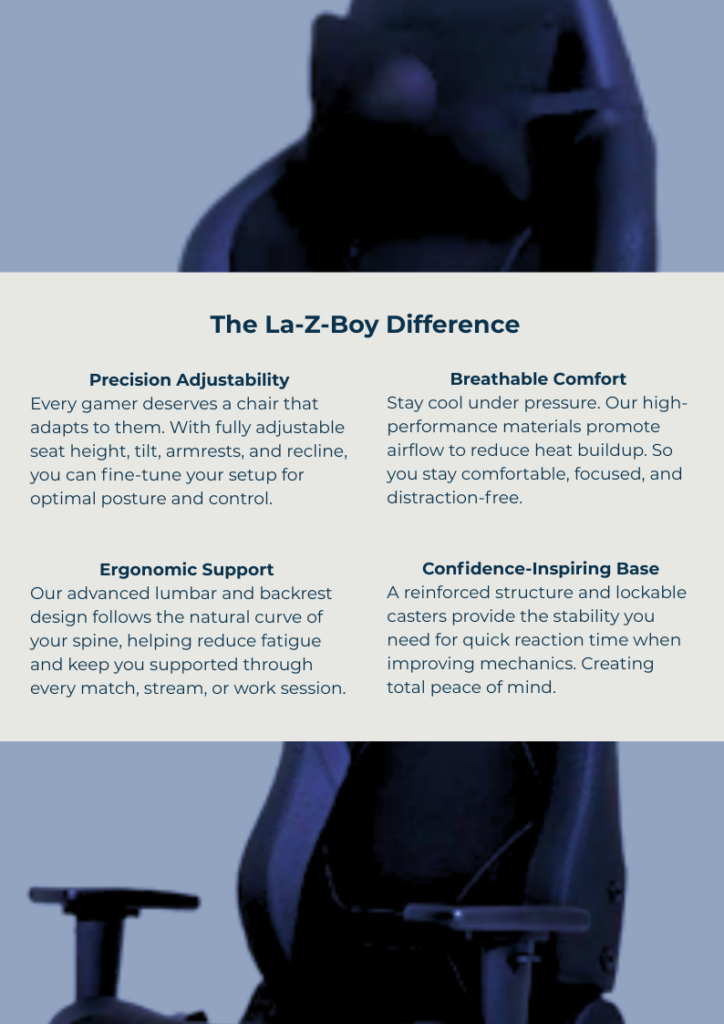
While it’s not a singular condition, gamers spend long hours leaning forward, rounding their shoulders, and holding their heads in a fixed position focusing on a screen. That posture places continuous stress on the neck and upper spine, forcing the lower back to absorb the weight. What begins as stiffness can turn into persistent pain, reduced mobility, and fatigue that affect both comfort and performance. Sitting with proper back support, keeping screens at eye level, and relaxing the shoulders can make a noticeable difference.
OVERALL
Esports-related injuries primarily stem from repetitive strain and poor ergonomics, with 42% of players reporting neck/back pain and 36-56% experiencing hand/wrist issues or eye fatigue. As esports becomes more mainstream, the conversation around player health will become central. The players who last are not just the most talented. They are the ones who can endure.